In January 2026, new U.S. Environmental Protection Act (EPA) refrigerant management requirements came into effect, expanding regulatory applicability, tightening leak rate thresholds, and increasing documentation expectations for many organizations. For some EHS teams, these changes clarified existing responsibilities. For others, they marked the first time refrigerant-containing equipment fell under federal oversight.
To help organizations navigate what changed—and what those changes mean in practice—Benchmark Gensuite and Montrose Environmental hosted a joint webcast focused on regulatory interpretation, compliance readiness and Benchmark’s Refrigerant Leak Manager solution . The session brought together compliance expertise and operational perspectives to unpack the new requirements and discuss how EHS teams can manage refrigerant obligations with greater consistency and confidence, and in a digital format.
This recap highlights the regulatory context discussed during the session and summarizes key considerations for executing compliance under the 2026 U.S. EPA refrigerant rules.
Regulatory Context: Who is Affected by U.S. EPA Rules in 2026?
The 2026 refrigerant requirements are driven primarily by the American Innovation and Manufacturing (AIM) Act and implemented through updates discussed under 40 CFR Parts 82 and 84. The intent of these changes is to reduce emissions from high-global-warming-potential (GWP) refrigerants by tightening controls on leak detection, repair, and recordkeeping.
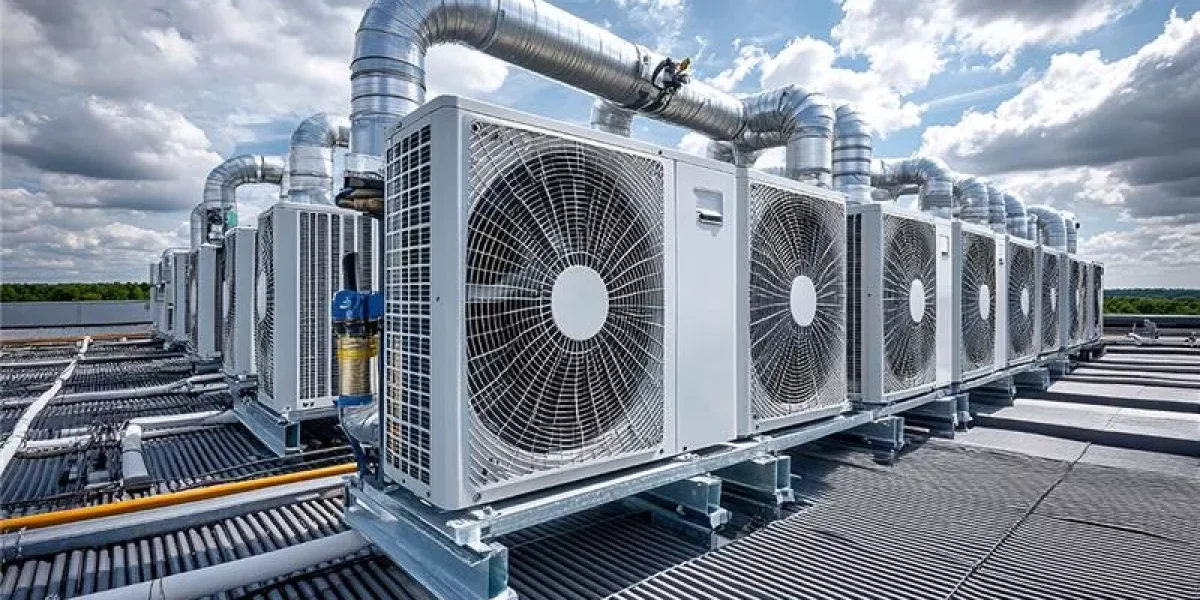
A central update discussed during the Benchmark Gensuite & Montrose Environmental webcast is the expanded applicability of U.S. EPA refrigerant requirements to appliances with a full charge of 15 pounds or more—down from the previous 50-pound threshold—when regulated substances or certain high-GWP substitutes are used. This change has prompted many organizations to reassess which assets now fall under EPA oversight and what actions are triggered during service events.
With the lower applicability threshold, some organizations are now subject to Federal refrigerant compliance requirements for the first time—particularly those managing mid-sized refrigeration or comfort-cooling equipment that previously fell below regulatory thresholds.
Polling during the webinar highlighted that over 40% of respondents are still managing refrigerant compliance with manual or lightly digitized processes. Additional context is available in the webinar recording.
Understanding the “Compliance Loop”
During the session, Montrose Environmental outlined what was described as a “compliance loop”—the sequence of actions required once a leak rate exceeds an applicable threshold.
In practical terms, this loop includes:
- Leak rate determination whenever refrigerant is added, equipment is repaired, or a system is installed or serviced.
- Repair and verification requirements when a leak rate exceeds the applicable limit, including an initial verification test and a follow-up verification test within defined timeframes.
- Ongoing inspections (annual or quarterly, depending on equipment type and size) once a compliant leak rate is restored.
- Retrofit or retirement planning if a compliant leak rate cannot be achieved.
The webcast emphasized that the complexity of this loop—and the volume of associated documentation—has increased under the 2026 updates, even though most records are maintained internally rather than submitted to the EPA.
Leak Rate Thresholds and Reporting Considerations
Specific leak rate thresholds discussed during the session vary by equipment category, including:
- Commercial refrigeration
- Industrial process refrigeration
- Other covered refrigeration and comfort-cooling equipment
One reporting requirement highlighted as new under the 2026 rules involves chronically leaking appliances. Equipment that leaks 125% or more of its full charge within a calendar year must be reported to the EPA by March 1 of the following year. While this is the only new federal reporting obligation discussed, the associated recordkeeping requirements across all compliance steps are extensive and must be retained for defined periods.
From Interpretation to Execution: Digital Compliance Support
Following the regulatory overview, Benchmark Gensuite demonstrated Refrigerant Leak Manager (RLM)—formerly ODS Sentinel—as an example of how organizations can structure compliance activities digitally.
The demonstration focused on how the system can:
- Maintain centralized inventories of refrigerant-containing equipment, refrigerants, storage containers, and certified technicians.
- Perform automated leak rate calculations using EPA-approved methodologies.
- Guide users through required actions—such as inspections, repairs, verification tests, or retrofit planning—based on equipment type and calculated leak rates.
- Track compliance status and deadlines and maintain audit-ready documentation across the full lifecycle of a maintenance event.
- Identify equipment that may meet the criteria for chronic leaker reporting.
Polling conducted during the webcast suggested that attendees most valued automated leak rate calculations and structured refrigerant-containing equipment tracking, reflecting ongoing challenges with manual or spreadsheet-based processes.
Practical Considerations for EHS Teams
A recurring theme throughout the session was preparedness. While the regulations do not require proactive leak rate calculations for every appliance in all cases, speakers noted that understanding equipment inventories, charge sizes, and potential compliance triggers in advance can help organizations plan inspections, budget for repairs, and allocate resources more effectively.
“It’s hard to know what you need to do next if you don’t have visibility into your equipment and leak rates today.”
— Meredith Boyer, Montrose Environmental
For EHS teams, the 2026 updates reinforce the importance of:
- Clear visibility into refrigerant-containing assets
- Consistent application of leak rate logic
- Defensible documentation aligned with regulatory expectations
- Processes that can adapt as regulatory requirements evolve
Closing Perspective
As discussed throughout the webcast, the 2026 U.S. EPA refrigerant requirements raise the bar not only on what must be tracked, but on how consistent actions must be documented and verified. For many organizations, the challenge is no longer understanding the rules—it is executing the required steps reliably across sites, equipment types, and service events.
“From my time in chemical manufacturing, I know how time-consuming these calculations and records can be. Benchmark’s ‘RLM’ tool is about reducing that burden while strengthening compliance.”
— Katy Jackson, Benchmark Gensuite
Several themes emerged clearly during the session: visibility into refrigerant-containing assets matters more than ever; leak rate calculations and follow-on actions must be applied consistently; and maintaining defensible records is essential as enforcement expectations increase. Whether an organization is newly regulated or refining an existing program, these operational realities now sit at the center of refrigerant compliance.
As refrigerant regulations continue to evolve, EHS teams will increasingly need approaches that support repeatable execution and clear documentation—turning regulatory requirements into manageable, day-to-day workflows rather than episodic compliance events.
Industry Expert Contributions
The webcast featured perspectives from both regulatory and operational viewpoints:
- Kimberly Luces, Associate Director at Benchmark Gensuite, provided an opening context on why the 2026 updates are prompting renewed attention to refrigerant compliance and digital workflows.
- Meredith Boyer, EHS&S Solutions Consultant at Montrose Environmental, delivered the regulatory walkthrough and explained how the updated rules affect compliance obligations in practice.
- Katy Jackson, Associate Director at Benchmark Gensuite, demonstrated how a digital refrigerant management workflow can support execution of the updated requirements.